There is a particular kind of quiet in a small country church when the only other person is a caretaker sweeping the step, and the fresco cycle on the apse wall is doing what it has done for six hundred years: waiting for your eyes to adjust. Chasing that quiet is easy. Planning a week around it, without turning the week into a relay race between locked doors, takes a little more thought.
The most common mistake is treating rural frescoes like city museums. They are not. They keep village hours, they close for funerals, and the person with the key may be the same person who runs the bar on the piazza. Plan accordingly and the trip gets slower, cheaper and considerably better.
Almost every disappointing fresco trip begins with a map. You mark fifteen churches across two provinces, draw a beautiful line between them, and discover on the ground that eleven are locked and two are under restoration.
Work the other way round. First list every site you would genuinely like to see. Then, before you decide anything else, spend an hour hunting for opening times: the parish website, the diocese's list of churches, the local comune's tourism pages, a heritage foundation's calendar. Where no hours exist, put the site in a separate column marked "ask".
Then be ruthless. A fresco you actually stand in front of beats three you photograph through a grille. Anything whose hours you cannot confirm within a couple of calls becomes a maybe, not an anchor. That single rule will do more for your trip than any itinerary template.
An anchor is a site with confirmed hours and enough to look at that the detour is worth it: a pieve with an intact apse cycle, an oratory with a Last Judgment covering three walls, a hilltop sanctuary where the frescoes are almost secondary to the walk up. One anchor per day is plenty in the countryside, where a 25-kilometre drive can take forty minutes on a white road.
Arrange the rest of the day around it in layers:
Anything beyond that is a bonus. When it happens, it feels like luck, which is the correct feeling for this kind of travel.
Opening hours in the countryside come in more varieties than guidebooks suggest. Some churches are opened daily by volunteers. Some open only for Mass, which means you can look but not wander. Some are locked but carry a number on the door; a call may bring someone in ten minutes, or may produce a polite no. Some depend on a priest covering six villages, so timing follows his round rather than a printed schedule.
If you need access outside published hours, write or call a week or two ahead, not the night before. Say who you are, when you would like to come, how many people, and how long you need. Offer to come at their convenience. Small places are often glad of a visitor, but they are run by people with other jobs.
Dress as you would for a village church anywhere: shoulders covered, hat off, quiet voice. Ask before photographing, use no flash, and never touch the plaster — skin oils are unkind to pigment. Leave a donation where one is invited. If a funeral or baptism is beginning, leave at once and return another day; no fresco is worth being in the way of.
Patronal feast days, processions, harvest weekends and August holidays all rearrange access. A village that is normally silent may be full; a church normally open may be shut for preparations. Ask about local festivals when you call. Sometimes the feast is the best reason to come.
Frescoes were painted for interiors, and interiors are dark. Many rural churches have coin-operated lights, and some have none at all. Carry a small torch with a warm beam, and learn to stand still for thirty seconds before deciding a wall is disappointing. Very often it is only your eyes.
Light direction matters more than intensity. A window on the south side throws hard light across a wall in the afternoon; morning light is softer and kinder for photographing faces. If a site is known for one particular panel, ask which time of day people usually prefer — whoever holds the key generally knows.
Then there is lunch. Between roughly half past twelve and half past three, rural Italy stops. Churches, shops and many ticket offices close. Do not fight it. Eat, sit in the shade, write notes on what you have seen. Build the afternoon around one late visit rather than three. In July and August, treat the hours after two as lost for anything involving a car and a steep hill, and save the frescoes for the evening.
Slow travel does not mean booking nothing. It means booking the things that would spoil the trip if they vanished, and leaving the rest loose. That usually comes down to very little:
Everything else can be decided on the day. Resist the urge to pre-book a schedule of eight timed entries; one delayed opening unravels it, and you will spend the afternoon apologising to yourself. Cap your fixed commitments at two per day, and keep one day of the week entirely unplanned for the site someone in a bar will inevitably tell you about.
A workable pattern looks like this: four nights in one small town, one confirmed anchor each morning, lunch at home or in the village, an optional late-afternoon maybe, and two free days that can absorb a closure, a thunderstorm or a tip from the baker.
You will see fewer frescoes than the map suggested. You will remember more of them. And you will have spent the week the way these paintings were meant to be met: slowly, in ordinary light, with time to stand still.
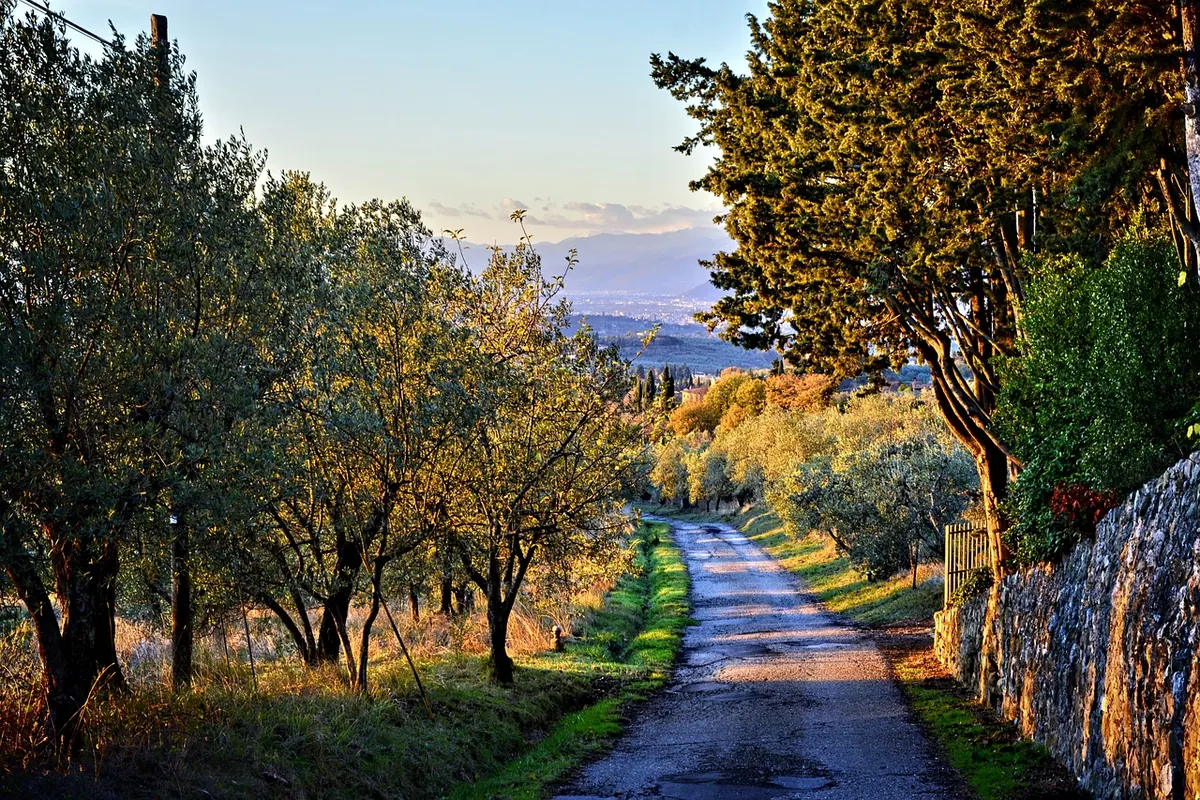
Photo: Rangoni-Gianluca / Pixabay